Empowering Patients: Your Guide to Cancer Education, Advocacy, and Recovery
Navigating your cancer journey can feel like wandering through a dense fog, with uncertainty lurking at every corner. However, with the right cancer education and advocacy, you can transform this daunting expedition into a path of empowerment. Imagine being armed with knowledge that not only helps you understand your diagnosis but also guides you in making informed decisions about your treatment. This is the core of what we're discussing today—your essential guide to navigating cancer through education and advocacy.
At the heart of effective cancer treatment options is education. Knowledge is not only power; in the realm of cancer health, it is a vital lifeline. By familiarizing yourself with your cancer diagnosis, you gain insight into the statistics, treatment options, and therapies available. Have you ever asked yourself, 'What do these cancer statistics really mean for me?' Understanding the data behind your condition can help demystify your situation and pave the way to informed conversations with your healthcare team. Knowledge equips you to navigate oncology news and medical updates confidently.
While education empowers you, advocacy invites you to take an active role in your cancer recovery. Many patients find themselves in a daunting healthcare system, where the terminology can be overwhelming and choices cumbersome. This is where cancer advocacy becomes crucial. As a patient, you have the right to ask questions and seek clarity. Engaging with support for cancer patients, exploring patient resources, and participating in cancer support groups can instill a sense of agency. You might say, 'I need to understand my treatment options better,' but remember, it’s equally important to articulate your feelings during this journey as well.
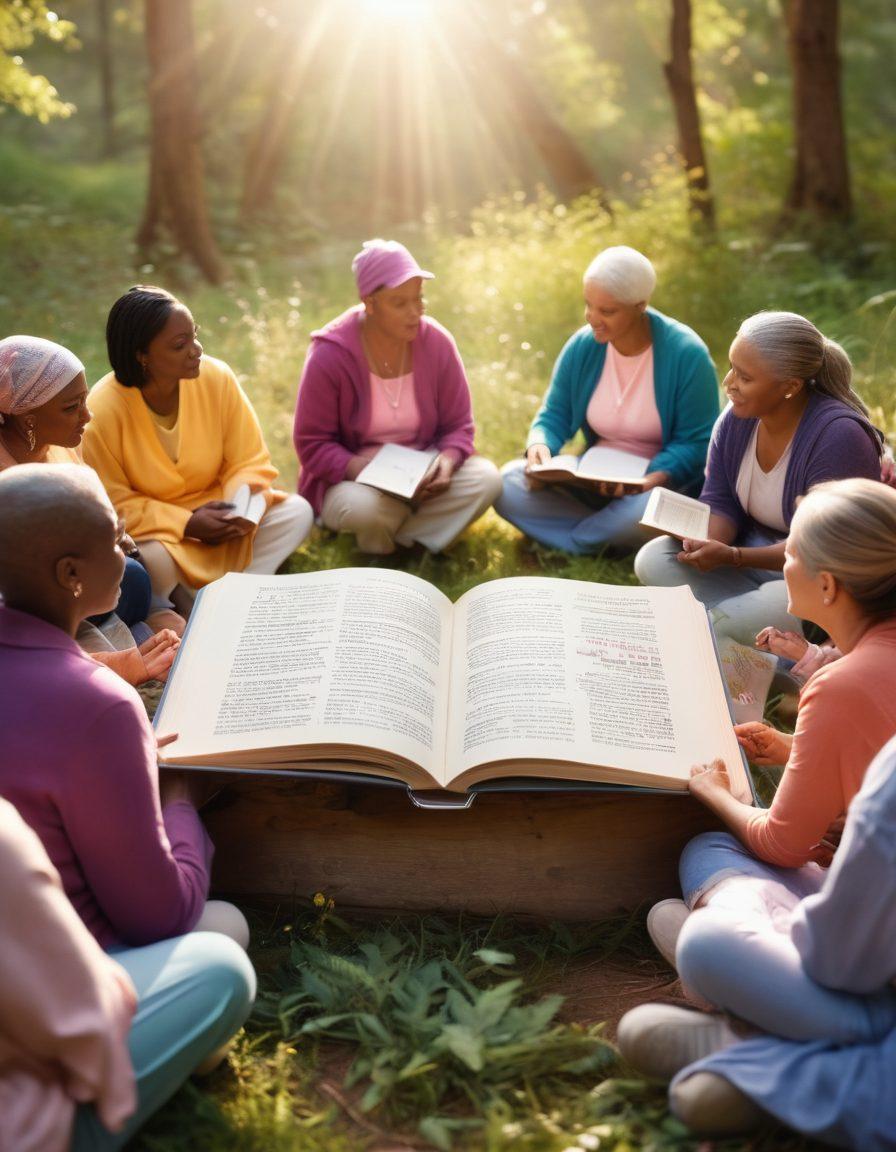
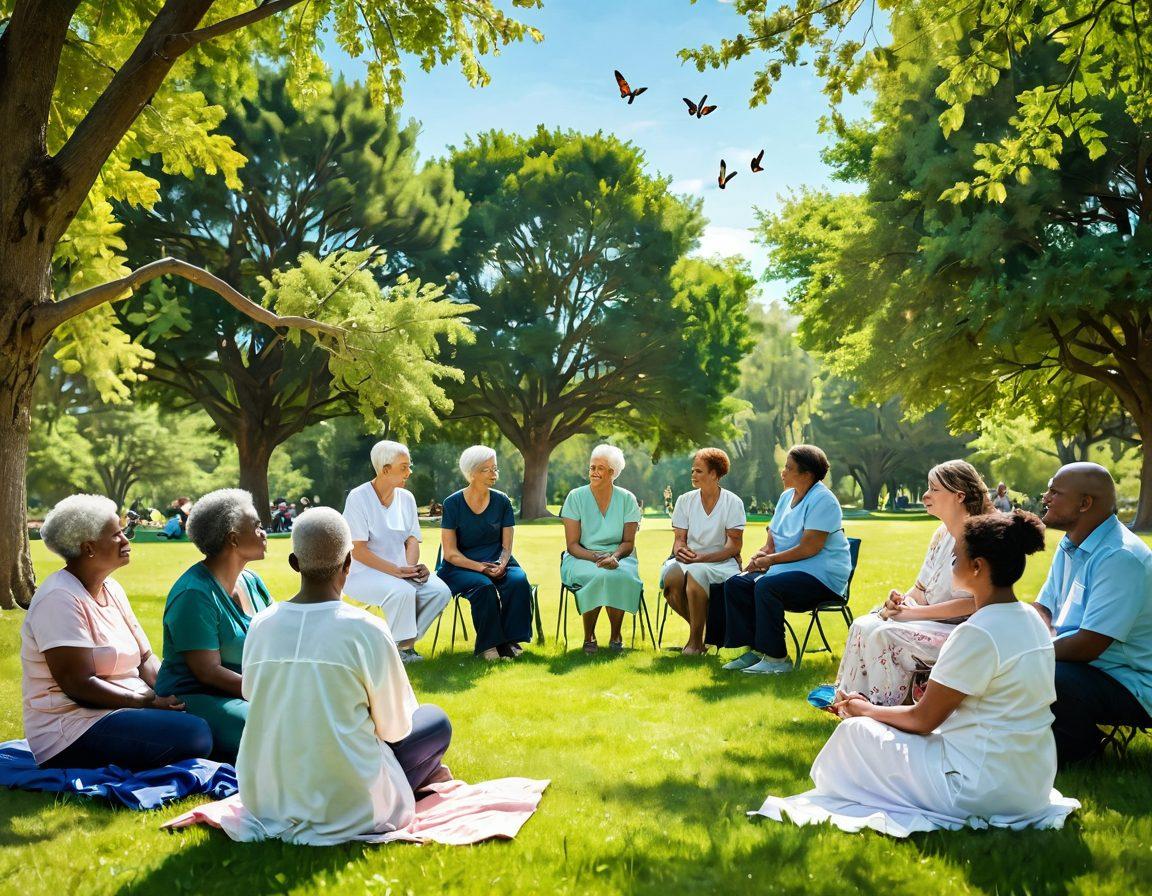
Imagine attending a local cancer support group or an online forum, where stories of resilience are shared—these are the narratives that weave hope into the fabric of recovery. Here, patients exchange ideas on cancer prevention strategies, alternative cancer treatments, and holistic cancer care. Engaging in these communities fosters a sense of belonging, reminding you that you are not alone. Whether you’re talking about the latest cancer research or simply sharing daily struggles, the discussions cultivate empathy, support, and actionable strategies for living with cancer.
Lastly, remember that recovery is not a linear process; it’s filled with ups and downs, triumphs and challenges. Equip yourself with the latest cancer research and medical updates so you can advocate for yourself throughout your journey. Reflect on your experiences and share your insights; they can inspire others navigating similar pathways. As you delve into the world of cancer education and advocacy, ask yourself, 'How can I use what I learn to empower myself and others?' This mindset will not only enrich your cancer journey but may also illuminate the paths for others facing the uncharted waters of cancer diagnosis.
Unlocking Recovery: Strategies, Support Groups, and Resources for Cancer Patients
When faced with a cancer diagnosis, many patients feel overwhelmed and isolated. It's as if the ground beneath them has shifted, leaving them to navigate a labyrinth of medical jargon and treatment options alone. However, the journey towards recovery doesn't have to be walked in solitude. There is a plethora of resources, support groups, and strategies available to help patients find their way through the fog of uncertainty. In this oncology blog, we will explore the myriad ways you can unlock your recovery, diving into essential elements of cancer education, advocacy, and the importance of community support.
Imagine sitting in a room filled with people who understand your journey, who can share their victories and struggles with you. Support groups are more than just a gathering of individuals; they are safe havens that foster healing and empowerment. Connecting with others who are living with cancer can provide immense comfort. Take, for example, the words of a cancer survivor who once said, 'In the darkest moments, I found light through the shared stories of others.' This type of camaraderie can be incredibly beneficial, offering not just emotional comfort but also practical advice on navigating cancer treatment options and recovery pathways.
Additionally, the world of cancer recovery is constantly evolving with the latest cancer research and medical updates. Staying informed is crucial, and engaging in cancer health initiatives allows patients to be proactive about their treatment journeys. From understanding cancer statistics to learning about innovative cancer therapies, arming yourself with knowledge can empower you in your decision-making process. Are you aware of the various patient resources and advocacy groups available to you? Many organizations provide workshops, literature, and seminars aimed at cancer education and support for cancer patients, ensuring that nobody has to face this challenge alone.
But what about those moments when conventional cancer treatments feel insufficient? Enter alternative cancer treatments and holistic cancer care. These options can compliment traditional therapies and inspire new paths towards recovery. Cancer patients are increasingly exploring mind-body techniques, nutritional therapies, and supportive care practices that enhance their overall well-being. This holistic approach ensures that recovery is not solely about treating the disease but nurturing the individual as a whole. Have you considered integrating such strategies into your recovery plan?
As we conclude, remember that every layer of support you gather is a step toward empowering your recovery journey. From engaging with cancer support groups to staying abreast of oncology news that sheds light on emerging cancer prevention strategies, it's crucial to forge a network of support and knowledge. Embrace your community, educate yourself on your diagnosis, and advocate for your needs. Let's cultivate a culture of health awareness and empowerment that uplifts those walking the difficult path of cancer recovery together.
Stay Informed: The Latest in Oncology News and Breakthroughs in Cancer Treatment
In the ever-evolving landscape of oncology news, staying informed is not just advantageous—it's essential. Each year, patients and their loved ones embark on a journey filled with uncertainty after a cancer diagnosis. Just think about it: what if your loved one received a frightening diagnosis today? Would you be prepared to navigate the myriad of treatments and support options available? In today's world, knowledge truly is power, and with the latest in cancer education, you can harness that power to advocate for yourself and others while making informed decisions about cancer treatment options. From groundbreaking medical updates to helpful patient resources, the world of cancer health has never been more dynamic and engaging for those seeking guidance in this pivotal time of need.
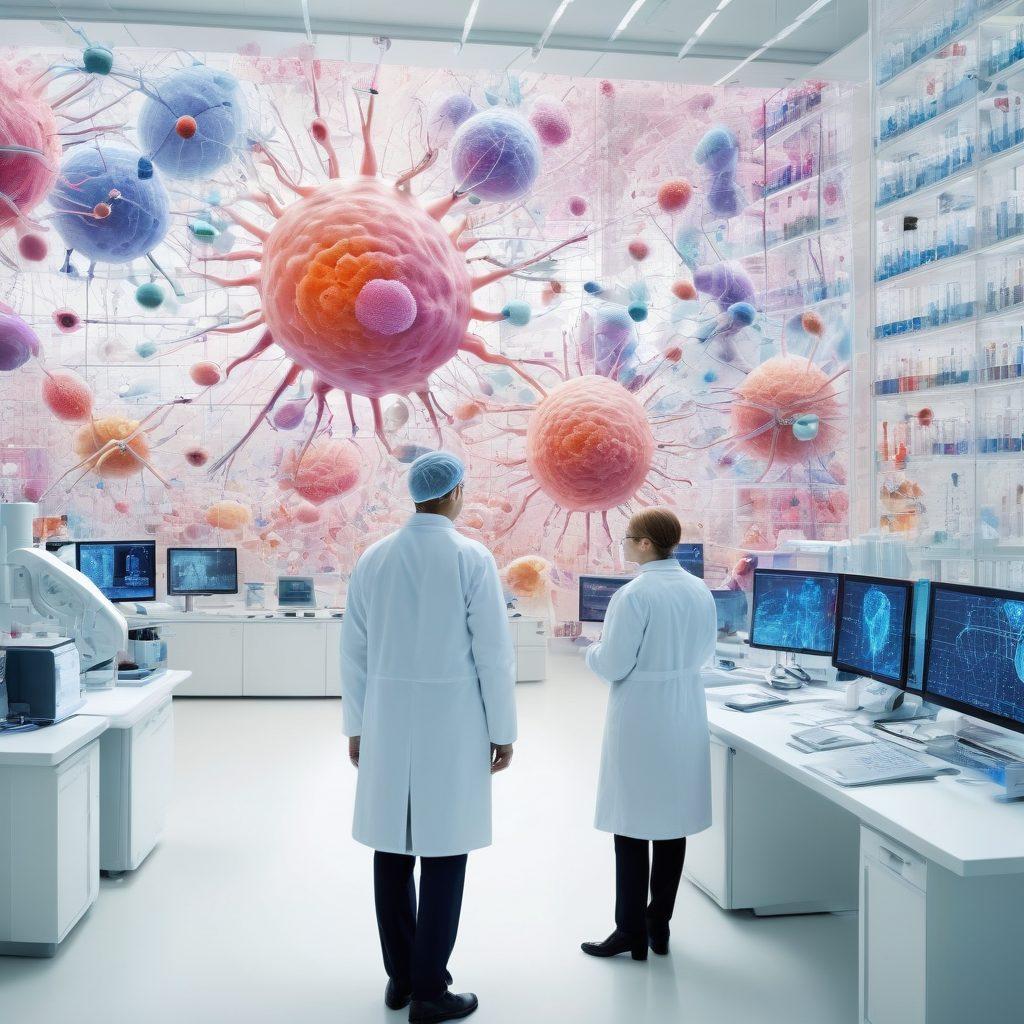
In the realm of cancer treatment, new discoveries and advancements are made almost daily. Recent insights into cancer statistics reveal that a significant number of patients are benefiting from innovative therapies that were once mere dreams. A quote from renowned cancer researcher Dr. Jane Smith puts it best: "The future of cancer treatment lies not only in the medicines we develop but in the spirit of the patients who drive our discoveries." It’s crucial for patients to remain aware of the latest cancer research, whether it's cutting-edge surgical techniques or immunotherapies that harness the power of the immune system to fight off cancer cells. These advancements could be the key to unlocking a healthier future and achieving successful cancer recovery.
Not only does effective cancer education equip you with knowledge on treatment options, but it also empowers you to engage in meaningful cancer advocacy. Consider this: how can you advocate for a friend or loved one if you aren't fully informed? Joining cancer support groups can be instrumental not just in seeking support for cancer patients but also in amplifying voices that need to be heard. By participating in these groups, you can share experiences, explore alternative cancer treatments, and raise awareness about vital issues affecting the cancer community. After all, advocacy begins at the grassroots level, and every individual action can lead to wider change.
Living with cancer often feels like walking a tightrope between hope and despair, and an informed patient is a resilient one. That’s why it’s important to familiarize yourself with various cancer prevention strategies, as well as methods for holistic cancer care. For instance, engaging with wellness practices like yoga or meditation can enhance well-being during the recovery process. What small change can you make today to support your mental and physical health throughout your journey? Taking charge of your cancer health involves not just understanding your condition but also creating a self-care plan that includes emotional support and lifestyle adjustments tailored to your unique situation.
In conclusion, the latest in oncology news is more than just information; it's a lifeline for those impacted by cancer. By consistently seeking out cancer education and medical updates, you bolster your ability to navigate the complexities of treatment and recovery. For everyone facing a cancer diagnosis, remember that you are not alone—support is available through networking with fellow patients and experts in the field. Embrace your role as an informed advocate, equipped with knowledge about cancer therapies, and take stride each day towards a hopeful future. The path to cancer recovery is paved with awareness, support, and action, so step forward confidently and become the empowered patient you were meant to be.